
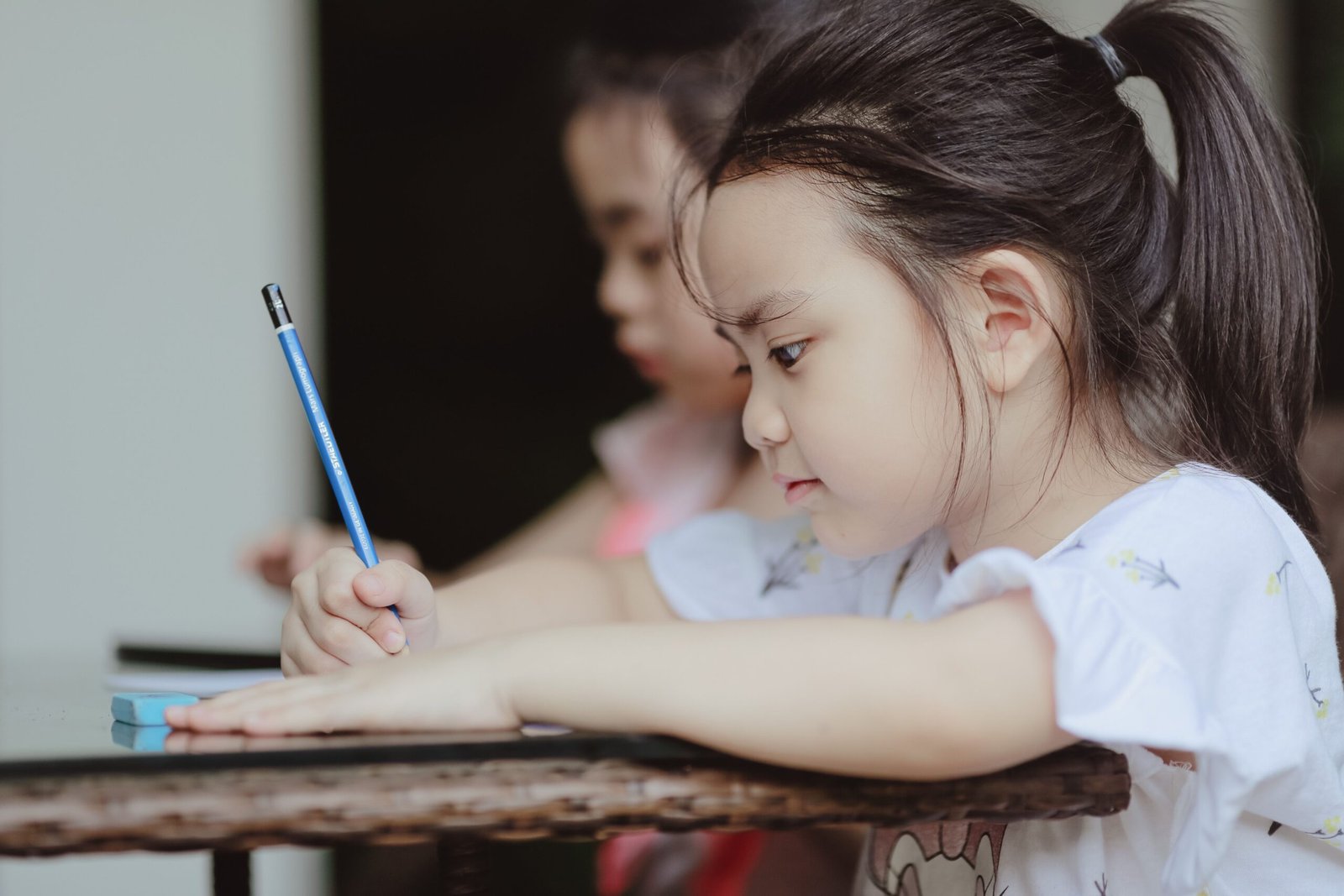
Most teachers share a quiet hope: that students will one day learn without needing to be told what to do next. Independence is one of the most valuable things a classroom can offer, and it lasts long after any single lesson is forgotten.
But the hope comes with a worry. Some learners take to independence quickly. Others need far more support, and stepping back too soon can leave them confused, anxious and unnoticed.
The reassuring part is that these two goals do not pull against each other. With care, building independence can reach struggling students better than constant rescue.
Why Independence and Support Are Not Opposites
Independence is often pictured as being left alone. In practice, it grows from the right kind of help given at the right time. A child who is rescued at every difficulty learns to wait for rescue. A child who is abandoned at the first difficulty learns that struggle means failure.
What works sits in between: support that is steady at the start and slowly steps back as skill grows. For younger learners in particular, this takes patience, and it takes a teacher who is watching closely.
Classrooms across Singapore are often busy, bilingual and fast-moving, with high expectations all around. That makes the balance harder, and more worthwhile.
6 Ways to Build Independence Without Losing Anyone
Nothing here needs special resources. These are habits that tend to protect both growth and care:
1. Teach Independence Like Any Other Skill
Independence is rarely automatic. Children need to be shown how to start a task, how to keep going, and how to know when they’re finished. Modelling these steps out loud, such as “First I read the question, then I look at the picture,” gives learners a pattern to follow.
2. Hand Over Responsibility Gradually
A simple pattern works well: show first, then try together, then let the learner try alone. The learner can spend as much time as necessary at each stage. Some children move through quickly, while others stay in the middle stage for weeks, and that is perfectly fine. Moving everyone at the same speed is how struggling students get left behind.
3. Build a Routine for Being Stuck
Every learner gets stuck, and what happens next matters enormously. A clear routine takes the fear out of it: look at the example, ask a partner, try one more time, then ask the teacher. Picture prompts on the wall help younger children remember the steps. When getting stuck has a plan, it stops feeling like a problem.
4. Offer Small, Real Choices
Choice builds ownership. Deciding which of two tasks to start with, where to sit or which tool to use gives children a taste of control without chaos. Choices should be small and genuine, with every option leading somewhere useful. For anxious or struggling learners, limited choice often feels safer than open choice.
5. Check in Quietly with Those Who Need More
While the class works independently, the teacher can move around. This is the moment to crouch beside the learners who need extra support, ask a few gentle questions and offer a nudge. A quiet word at the desk protects dignity and catches confusion early. This is where independence and care meet, since the rest of the room can work freely precisely because someone is paying attention to those who need more.
6. Praise the Process, Not Just the Result
“You got it right” teaches little. “You tried a different way when the first one didn’t work” teaches a great deal. Noticing effort, strategies and persistence shows children what independence looks like, and it gives struggling learners something to be proud of before the right answer arrives.
Where Training Helps
Balancing independence and support takes judgement, and judgement grows with understanding. Knowing how young children develop, how attention and confidence change with age and how to plan flexible tasks makes it much easier to respond to a whole room at once. Many educators find that Teacher Training Courses in Singapore build exactly this kind of foundation, linking child development and classroom practice with the realities of local classrooms.
Even so, no course replaces the daily habit of watching children closely. That begins on the first morning of every term.
Being Gentle with Both Learners and Teachers
Some days independence will look beautiful, and others it will fall apart. A task that worked last week fails this week, or a child who was flying suddenly needs more help. That is normal, and it does not mean progress has been lost.
Teachers need the same kindness. Holding a class together while stepping back gently is demanding, and feeling stretched is not a sign of poor teaching. Sharing what works with colleagues, trying one change at a time and being patient with the pace all help. A calm, supported teacher is the best resource any child can have.
Bottom Line
Independent learners are built through steady support that slowly steps back, clear routines for when they’re stuck, small real choices, quiet check-ins, and praise for effort. Done well, this does not leave struggling students behind. It gives them the tools to eventually stand on their own.
For educators working with the youngest learners, an Online Pre and Primary Teacher Training Course in Singapore offers flexible study alongside a working life, with a focus on early development and practical classroom habits. It can begin with something small: one routine for getting unstuck, one extra moment beside a child who needs it. For the quiet learner who has been waiting for someone to notice, that moment can change how school feels.